
Rising electricity bills push Americans to cut back on groceries
A Consumer Reports survey found that one in five people have reduced food spending to keep up with electricity costs.
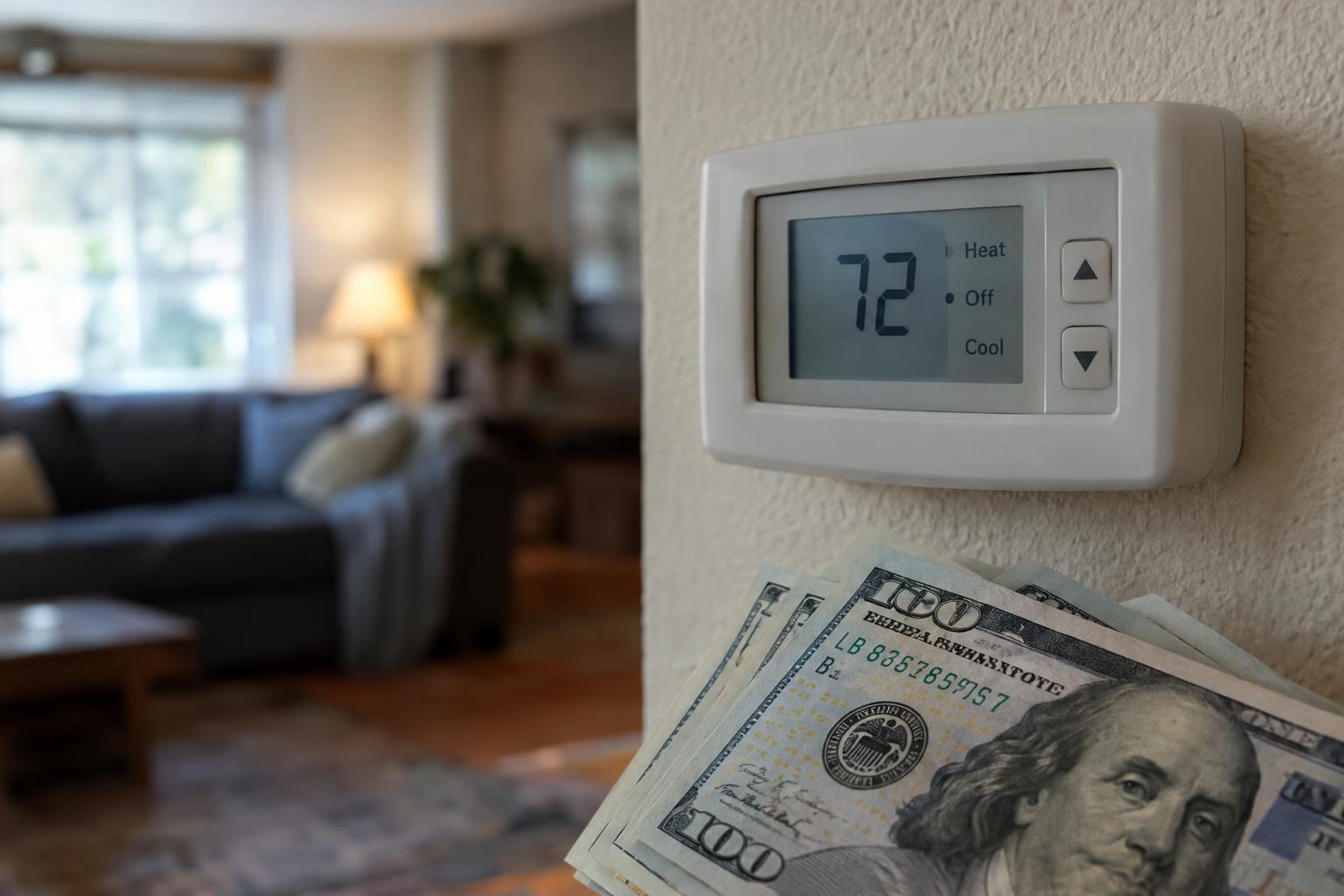
One in five Americans surveyed said they have cut back on groceries to afford electricity bills, a choice that turns a utility payment into a food-budget decision.
Consumer Reports surveyed more than 2,000 adults and found that roughly one-quarter had adjusted their heating or air conditioning to uncomfortable levels to save money. Among people who had lived in the same home for at least three years, about 80% said their electricity bills had gone up. The largest group, 28%, said their bills had risen between 20% and 49%.
The number that matters: Electricity prices in major U.S. cities rose 14% over the past three years, according to federal data cited by CBS News. For households already dealing with higher food and gasoline costs, the electric bill is not an expense they can simply skip. People need their lights, refrigerators and, depending on the season, cooling or heat.
Students, retirees and others on fixed incomes have particularly little room to absorb a surprise increase, Sara Enright, Consumer Reports' senior director of safety and energy, told CBS News. She said households are also cutting vacations and eating out. An October Climate Power survey found food costs were voters' top concern in battleground states, followed by gasoline prices and utility bills.
Who is getting squeezed: Mark Wolfe of the National Energy Assistance Directors Association told CBS News that more middle-income households are seeking government energy help despite earning too much to qualify. The federal Low Income Home Energy Assistance Program is limited to households earning less than 60% of their state's median income. There is a broad stretch of people above that line who can still be one steep bill away from cutting somewhere else.
The bigger bill: Survey respondents commonly blamed utilities and the rapid buildout of data centers for higher costs, while a majority said they did not believe state utility regulators were protecting their interests. Schneider Electric forecasts U.S. electricity demand will rise 16% by 2029, mainly because of data center growth. Consumer Reports has launched Power Smarter and a Bill Decoder service that will collect anonymized household bills to track prices and energy-cost trends.
The next question is whether household incomes, public assistance and utility oversight can keep pace with the demand now being added to the grid.
The world's most important stories. Explained clearly. Delivered daily.
- Every morning
- Five-minute read
- Unsubscribe anytime