
Supreme Court takes up whether Americans can legally distill liquor at home
A challenge to an 1868 federal ban could put home distilling closer to the legal footing of home brewing beer and wine.
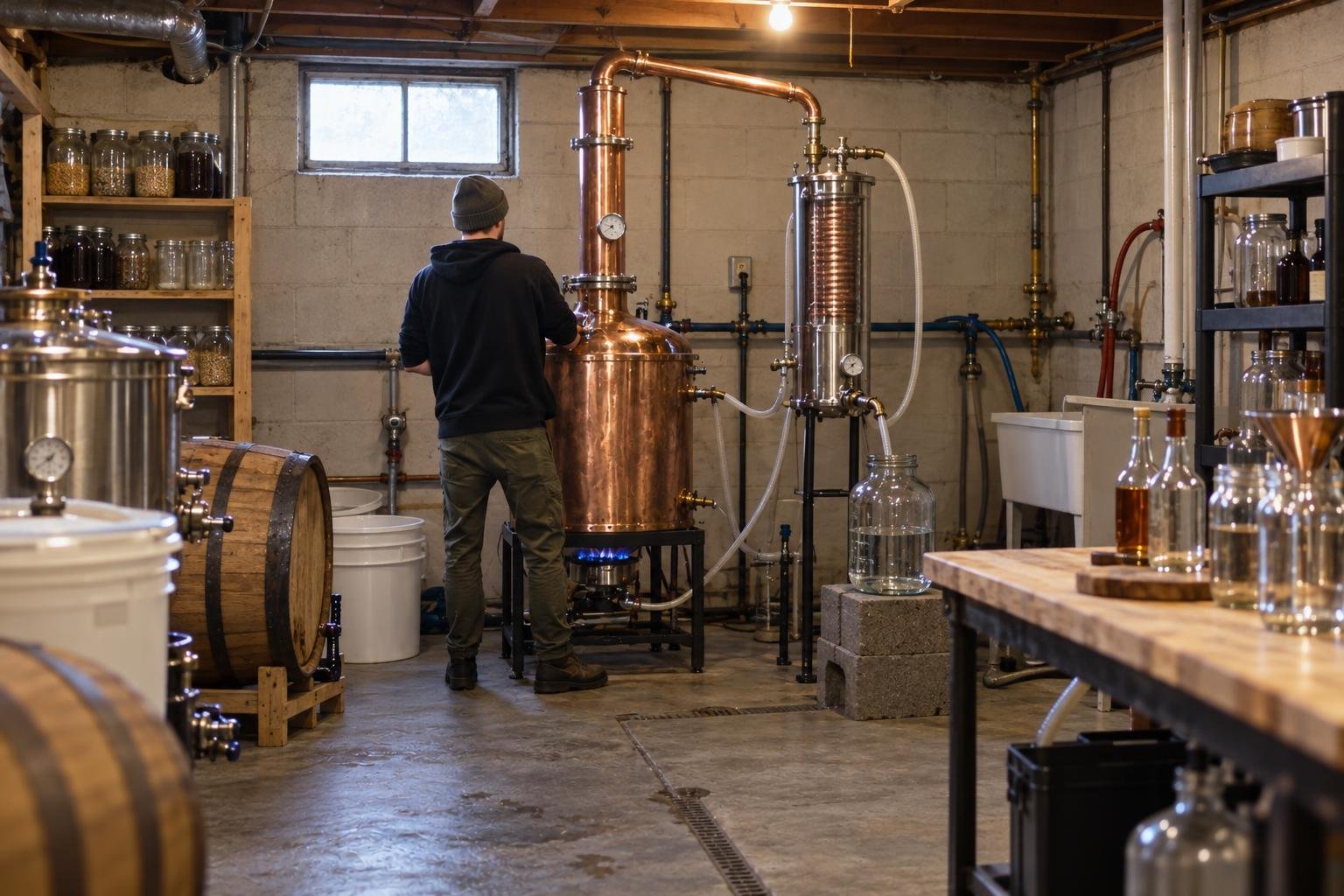
Geno Stecks turned the dining room of his two-bedroom Wyoming home into what he calls his “shining room,” where the 66-year-old mechanic makes coffee-flavored shine for friends and neighbors. Under federal law, that hobby can carry up to five years in prison, a $10,000 fine, or both.
Now the Supreme Court will consider whether that federal ban, dating to 1868, should survive. The BBC reports that the court is expected to hear the case early next year, with a decision possible by summer 2027.
Why it matters: Beer and wine can be brewed at home nationwide. Distilling is the extra step that turns a fermented drink into spirits, and it remains federally illegal even in states that have made room for limited personal production. Missouri and New Hampshire have passed laws allowing people to make certain amounts of distilled alcohol at home for personal consumption.
The challengers, including Stecks, Hobby Distillers Association president Rick Morris and Ohio aerospace engineer John Ream, argue Congress exceeded its constitutional authority when it restricted home distilling for tax purposes during Reconstruction. One lower court found the nearly 160-year-old ban unconstitutional; another reached the opposite conclusion in a similar case. With the lower courts split, the justices get the last word.
The government's case: Government lawyers argue the restriction is lawful and helps prevent alcohol producers from avoiding taxes. Historian Daniel Pierce told the BBC that revenue was the original point of criminalizing home distilling: spirits makers had to pay a tax, and small producers often could not afford it. The law has been around long enough to outlast Prohibition, which ran from 1920 to 1933, and still manages to make a kitchen hobby a federal crime.
The catch: This is not just a fight over bourbon in the garage. Courtney Armour of the Distilled Spirits Council of the United States warned that distilling can cause explosions, burns, fires, injuries and improperly made alcohol. The challengers see a question of federal power versus states' traditional authority over alcohol regulation. The court's argument date early next year is the next concrete marker in a case about whether the government can keep treating a home still differently from a homebrew kit.
The world's most important stories. Explained clearly. Delivered daily.
- Every morning
- Five-minute read
- Unsubscribe anytime