
Nvidia's Jensen Huang problem is now a succession problem
Colette Kress is running Nvidia for now, while investors and tech executives push the board to consider bringing its founder back.
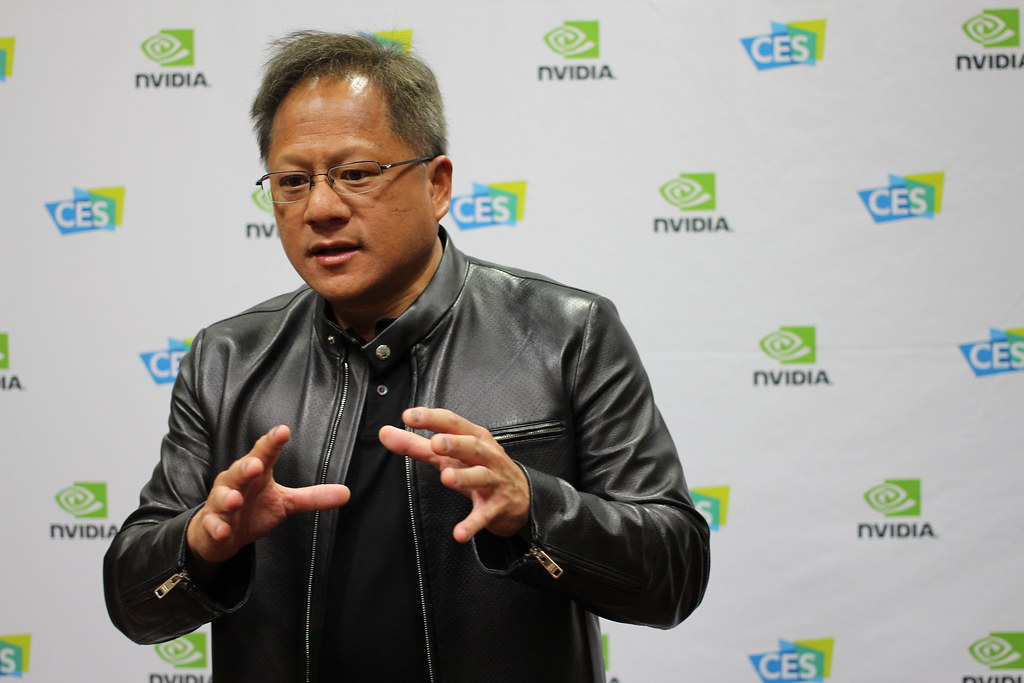
Jensen Huang had 33 direct reports at Nvidia, and no obvious successor when he resigned on Nov. 12.
That is the central problem facing the company Huang co-founded in 1993 and led for more than 33 years. Nvidia named Chief Financial Officer Colette Kress interim CEO and appointed Harvey Jones as its first board chair after Huang stepped down amid reports of multiple extramarital relationships and an investigation into whether he had been targeted by a foreign intelligence effort.
Why it matters: Nvidia does not just sell a lot of chips. Its processors sit at the center of the AI buildout, and Huang had become the company’s chief strategist, salesman and political operator. Analyst Stacy Rasgon put it more bluntly before Huang’s departure: “Jensen is Nvidia. Nvidia is Jensen.”
Huang ran Nvidia from the top down in a deliberately flat organization. CNBC reported that he had 33 direct reports as of last week, after saying in 2025 that he had as many as 60. That setup gave him unusual reach into day-to-day decisions, but it also left a company worth roughly $4 trillion explaining who takes over when the person at the center leaves suddenly.
The interim answer: Kress has been Nvidia’s CFO since September 2013 and previously held finance roles at Cisco, Microsoft and Texas Instruments. She is a familiar voice to investors from earnings calls, and Nvidia said its board will consider internal and external candidates for the permanent job. Names discussed in coverage include Kress, Nvidia co-founder Chris Malachowsky and executive Ian Buck, who helped develop CUDA software. None carries Huang’s combination of technical authority, global industry ties and influence in Washington.
The strange part: A growing group is arguing that the board should at least consider putting Huang back. Altimeter Capital and Atreides Management urged a deliberate search that includes a potential return, while Elon Musk signed a petition calling for Huang’s reinstatement. TechCrunch reported the petition had drawn more than 115,000 signatures by Nov. 14, including people identifying themselves as Nvidia employees, former employees and shareholders.
Huang owns about 3.6% of Nvidia and does not control a majority of its voting power, so the board has room to make its own call. The immediate test comes with Nvidia’s earnings call on Nov. 17, when Kress will have to speak for a company that spent decades teaching the market to listen to one man.
The world's most important stories. Explained clearly. Delivered daily.
- Every morning
- Five-minute read
- Unsubscribe anytime