
Mistrial declared in Lindsay Clancy case after jury deadlocks
A Massachusetts jury could not unanimously decide whether Clancy was criminally responsible for the 2023 deaths of her three children.
What Happened
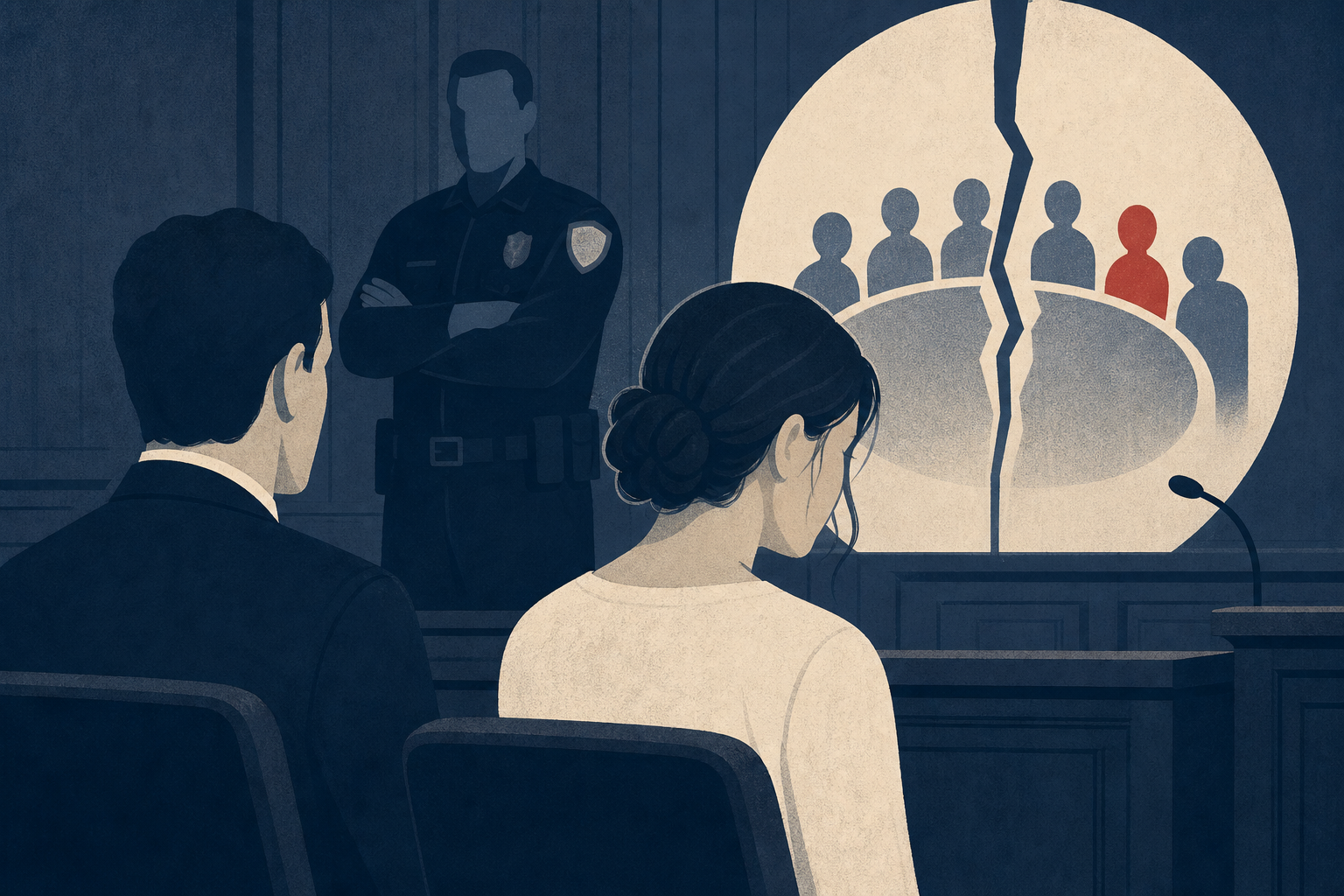
Massachusetts Judge William Sullivan declared a mistrial on Sept. 4 after the jury in Lindsay Clancy's murder case said it could not reach a unanimous verdict.
The jury had deliberated for seven days and signalled three times that it was deadlocked, according to the BBC. Another BBC report described the deliberations as lasting about 40 hours. Sullivan dismissed the jurors after they again said they could not agree.
"At this point, I'm going to declare that the jury is deadlocked and I'm going to declare a mistrial," Sullivan told the panel, according to the BBC.
Clancy, 36, faced three counts of first-degree murder in the 2023 deaths of her children: Cora, 5; Dawson, 3; and Callan, 8 months. She does not deny killing the children, but pleaded not guilty on the grounds that she was suffering from postpartum psychosis and should not be held criminally responsible.
What Each Side Is Saying
The defence argued that Clancy's mental condition at the time of the killings prevented her from being criminally responsible. Prosecutors argued that the killings were intentional and that Clancy was in control of her actions.
The trial included testimony from more than 10 expert witnesses concerning Clancy's mental and postpartum health. Jennifer Tufts, who treated Clancy in more than a dozen sessions over five months, testified that she had not seen signs of psychosis, according to the BBC. Psychiatrist Avram Mack testified that the American Psychiatric Association did not recognize postpartum psychosis as a diagnosis.
On the final day of deliberations, defence lawyer Kevin Reddington asked Sullivan to remove a juror after the forewoman reported that one member of the panel was not following instructions concerning reasonable doubt. The judge denied the request.
Reddington then sought an emergency order from the Massachusetts Supreme Judicial Court to require further deliberations and to question the alleged holdout juror. The state's highest court denied the request, clearing the way for the mistrial.
Outside court, Reddington said he believed 11 of the 12 jurors would have reached an outcome favourable to Clancy. The jurors' positions, however, were not publicly known.
Background
After the killings, Clancy cut herself with a knife and jumped from a second-story window in an apparent attempt to take her own life, leaving her paralysed, the BBC reported. She uses a wheelchair and remains housed at a mental-health facility while still facing the murder charges.
The case drew widespread attention and sharp disagreement over postpartum mental illness and criminal responsibility. Supporters gathered outside the Plymouth courthouse during the proceedings, while the trial also prompted extensive discussion online and in national media.
The BBC reported that President Donald Trump called the case a "horrible tragedy," saying: "She did a horrible, horrible thing. Can't be worse."
Why It Matters
A mistrial resulting from a hung jury does not resolve the underlying charges. It means the jury did not unanimously agree on whether the prosecution had proved its case beyond a reasonable doubt; it is not a finding of guilt or innocence.
The outcome leaves unresolved the central question argued throughout the trial: whether Clancy's alleged postpartum psychosis should shield her from criminal liability, or whether prosecutors can establish that she acted with the intent required for murder convictions.
What Happens Next
A hearing is scheduled for Sept. 29, when prosecutors could outline their next steps. Plymouth County District Attorney Timothy Cruz said no decision would be made on the day of the mistrial and that his office would consider whether to pursue a new trial.
Potential paths include retrying Clancy or seeking a plea agreement. Reddington also said he intended to file another motion asking for the mistrial to be reconsidered.
The world's most important stories. Explained clearly. Delivered daily.
- Every morning
- Five-minute read
- Unsubscribe anytime