
Four Corners floods leave sewage-contaminated mud and more rain threats
Floodwaters are receding in parts of Arizona, Colorado, New Mexico and Utah, but a flood watch remains as damaged communities clean up.
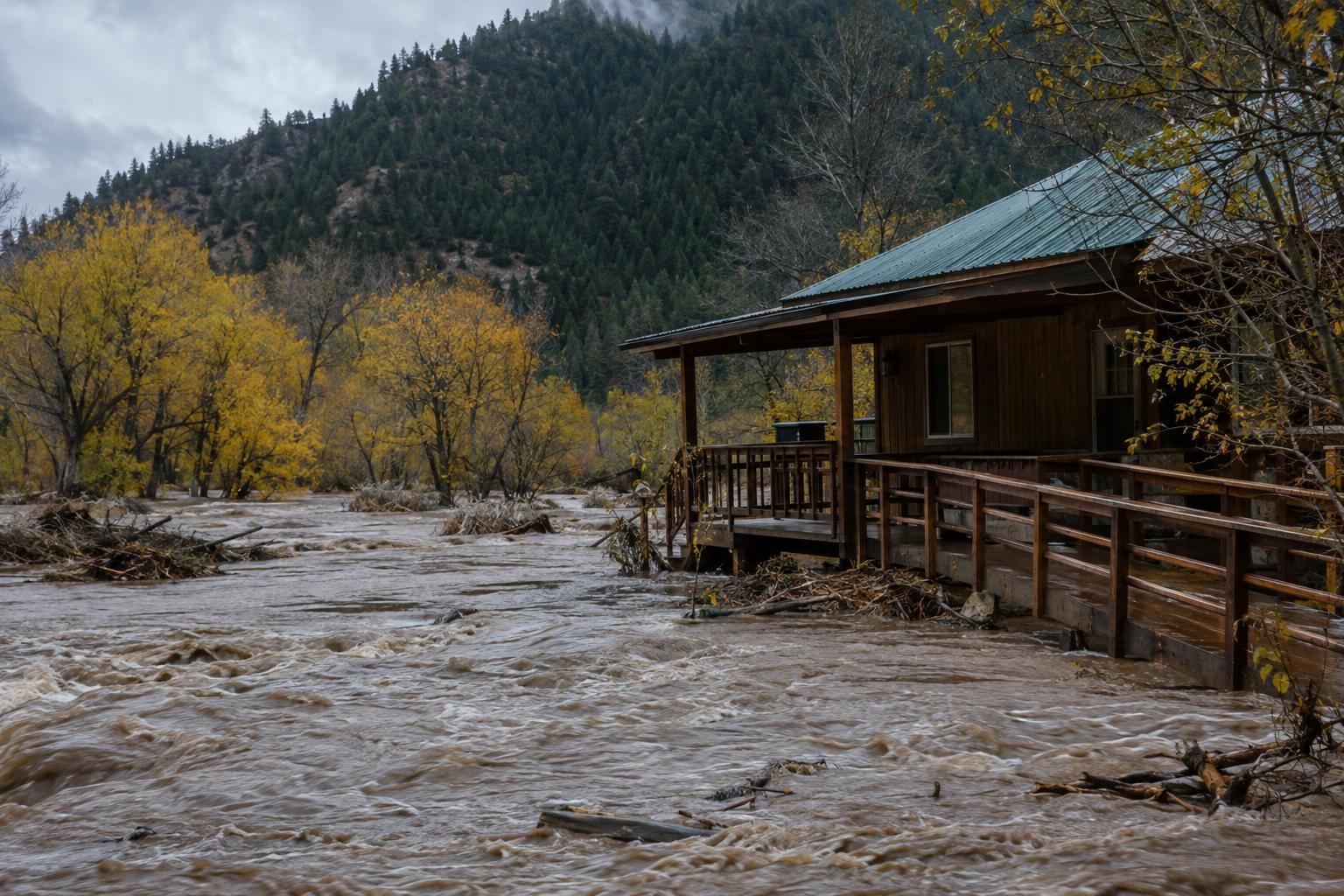
About 4 feet of water flooded San Juan County Sheriff Shane Ferrari's home in New Mexico, one measure of how far this week's flooding reached into the Four Corners region.
Heavy rain that began Wednesday battered parts of Arizona, Colorado, New Mexico and Utah, sending rivers and smaller waterways over their banks. The flooding forced evacuations and water rescues, damaged homes and infrastructure, and closed roads across the region. The Navajo Nation Police Department said authorities rescued seven families, 30 people, from flooded homes.
The cleanup is ugly: Floodwaters were receding in San Juan County by Sunday, but they left behind mud and silt contaminated with sewage after failures at waste plants. Multiple areas remained without power. County spokesperson Devin Neeley said he was unaware of any loss of life, though damage assessments were still incomplete.
In Hurricane, Utah, flooding damaged more than 100 homes and recreational vehicles, prompting the city to declare an emergency Thursday. Colorado Gov. Jared Polis declared disaster emergencies in 11 counties and authorized National Guard help with rescue efforts in the southwest part of the state.
Why it got this bad: Parts of southwest Colorado and southeast Utah received 2 to 4 inches of rain, while higher ground in the San Juan Mountains received up to 6 inches, according to a National Weather Service meteorologist cited by NPR. That was enough to rapidly flood creeks, streams and rivers. The San Juan River rose sharply overnight, and its bridge in Colorado remained closed Sunday.
The threat is not over: The National Weather Service issued a flood watch Sunday for much of the Four Corners region, with heavy showers and thunderstorms capable of flooding roads, narrow canyons, small streams and burn scars. The region has already had roughly two months of intermittent heavy rain from Pacific tropical moisture, which has made dry ground and waterways less forgiving.
The next round of rain is the thing to watch, especially in communities still clearing mud, restoring power and trying to reach homes cut off by water.
The world's most important stories. Explained clearly. Delivered daily.
- Every morning
- Five-minute read
- Unsubscribe anytime