
DEA agent alleges fentanyl was allowed to reach streets for bigger cases
David Howell says DEA managers ignored warnings that letting fentanyl "walk" was putting dangerous quantities of the drug into communities.
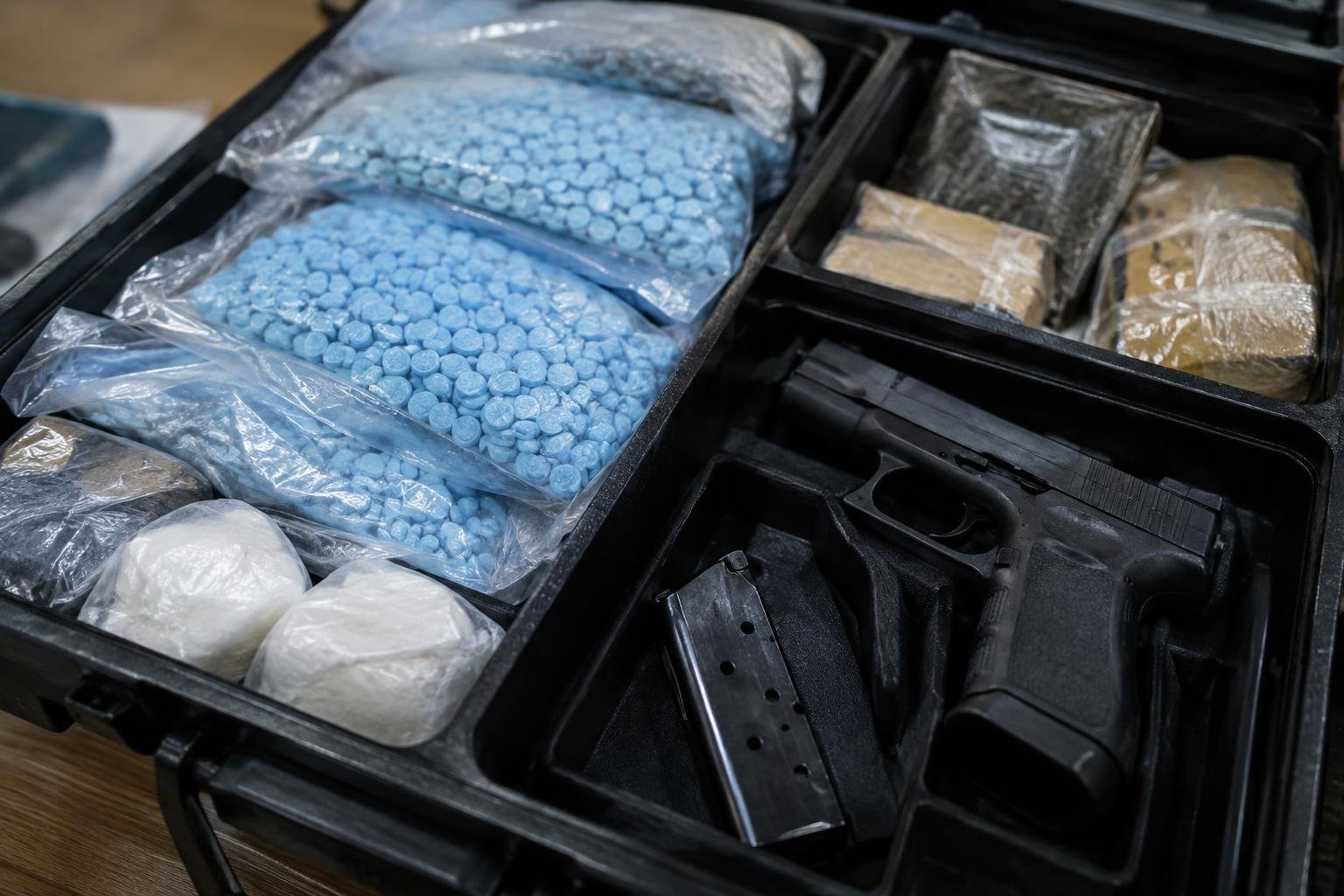
DEA agents stopped an Albuquerque SUV carrying a child in 2023 and found what agent David Howell says was 6,000 to 7,000 fentanyl pills and a gun beneath the child’s seat.
Howell, who remains an active DEA special agent, told CBS News that his team was later chastised for taking the pills rather than letting the vehicle continue to a house. He said the U.S. Attorney’s Office for the District of New Mexico was willing to let the fentanyl travel there while the child was in the SUV. The allegation is part of a whistleblower complaint first reported in June by the Associated Press and the Albuquerque Journal.
What Howell alleges: The DEA allowed millions of fentanyl pills to “walk,” an investigative tactic in which agents let traffickers distribute drugs while investigators follow the supply chain and try to build cases against bigger targets. Howell said agents had been instructed not to use that tactic with fentanyl because of its lethality, but that fentanyl was nevertheless allowed onto the streets.
He said he spent three years warning DEA managers that dangerous amounts of fentanyl were reaching communities and that his warnings went unheeded. “Our city is being destroyed by this drug,” Howell told CBS News. The central claim is not that DEA agents seized too little fentanyl. It is that, in pursuit of larger cases, they sometimes chose not to seize it when they could.
Why it matters: New Mexico Attorney General Raúl Torrez has sued the federal government over the practice of allowing fentanyl to be distributed during investigations. Torrez said New Mexico’s worsening direction is directly connected to fentanyl being allowed to move through the community. In the wider Albuquerque area, officials have declared a state of emergency over rising fentanyl overdose calls.
The investigation: The DEA and Justice Department declined CBS News’ requests for interviews. The Justice Department said DEA Administrator Cole sought an independent investigation by the department’s inspector general after Howell came forward, and that it remains ongoing. The DEA said it will make improvements if the investigation identifies them.
The open question is what the inspector general finds about how often fentanyl was allowed to move during DEA investigations, and who approved it.
The world's most important stories. Explained clearly. Delivered daily.
- Every morning
- Five-minute read
- Unsubscribe anytime