
Data centers are becoming a midterm problem from Ohio to Arizona
Voters across party lines are pushing back on AI infrastructure over power bills, water, pollution, farmland and who gets stuck with the cost.
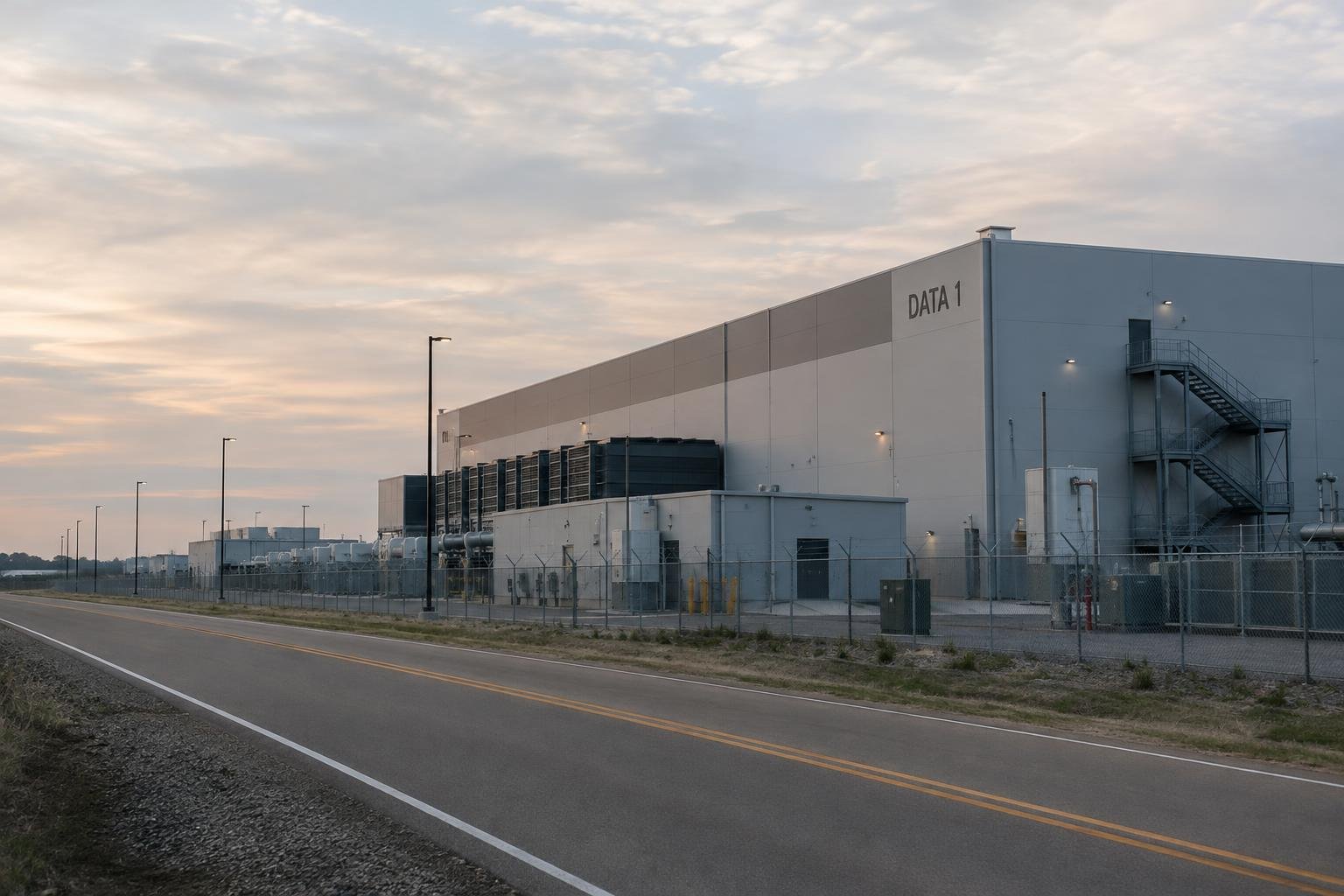
Two in three Americans oppose building new data centers in the United States, according to an October Washington Post-ABC News-Ipsos poll. That is a problem for an industry preparing to spend $765 billion on AI infrastructure this year, and for politicians who spent years treating these warehouse-sized computing campuses as uncomplicated economic development.
Data centers, which house the chips and servers behind internet services and AI tools, have become a midterm issue from Ohio to Texas, Arizona and Florida. The objections are not especially ideological: people are worried about bigger electricity bills, strained water supplies, noise, pollution, lost farmland and decisions made before the neighbors knew what was coming.
Why it matters: The argument is landing in places where support for development has long been a political reflex. In Ohio, Conserve Ohio is backing ballot initiatives in 10 communities to prohibit large-scale data centers and collecting signatures for a proposed statewide constitutional ban on the 2027 ballot. Near Mount Orab, property records cited by NPR show roughly 1,000 acres of farmland were sold to a data-center developer in 2024 and 2025.
Ohio Senate candidates Sherrod Brown and Jon Husted have spent the campaign accusing each other of past support for the industry. Husted has proposed requiring data centers to pay for grid upgrades and related costs. It is the rare campaign dispute where both sides are trying to establish that the servers should pick up their own tab.
The wider fight: In Texas, Democrat James Talarico and Republican Ken Paxton both support making data centers cover energy-infrastructure costs and ending some industry tax exemptions, though they differ on local control and environmental rules. An August poll cited by The Verge found 57% of Texans opposed new data-center construction, including 43% of Republicans. Texas officials estimated in 2025 that the state's data-center tax break would cost $3.2 billion in lost sales-tax revenue over two years.
In Page, Arizona, the City Council approved the sale of 500 acres for a proposed $10 billion data center, though the developer still needs zoning and other approvals. Residents have organized against it, while the leading candidates in the area's congressional race disagree about whether more construction should proceed.
The disputed cost: A University of California, Riverside-led modeling analysis estimated emissions associated with data centers could cause nearly 1,300 deaths annually by 2030 and create an annual public-health burden above $20 billion in 2028. The Data Center Coalition disputes the breadth of those impacts, pointing to limited backup-power use in Virginia and existing environmental regulations.
Sixteen states have proposed laws to ban or temporarily block new facilities, according to the BBC. On Nov. 3, candidates will find out whether a fight once confined to zoning meetings has become a real voting issue.
The world's most important stories. Explained clearly. Delivered daily.
- Every morning
- Five-minute read
- Unsubscribe anytime