
Army study finds ICE shock gloves caused intense pain and immediate compliance
A previously unreleased military assessment found participants stopped resisting within seconds and feared being shocked again.
The Big Picture
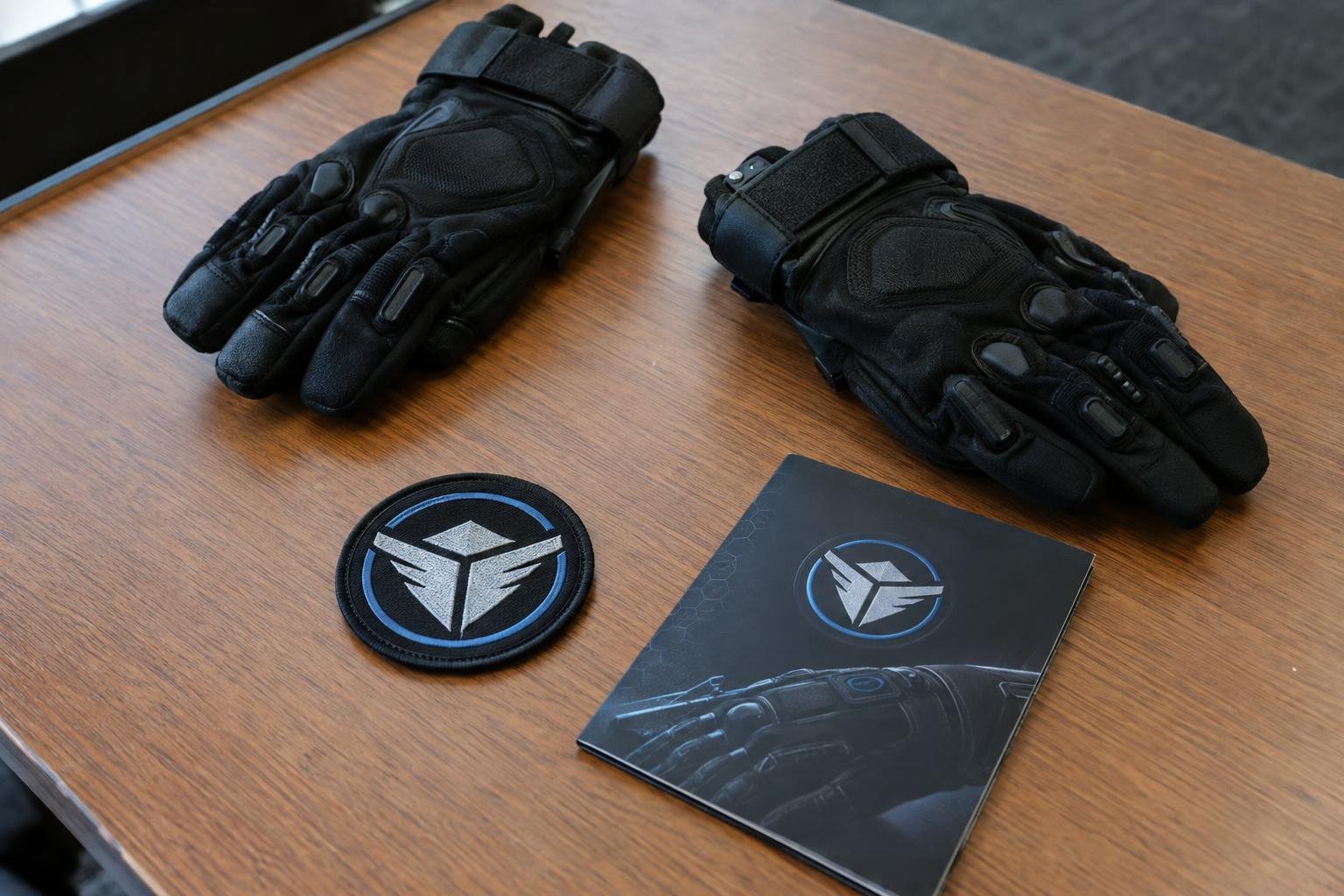
A previously unreleased Army study found that electric shock gloves purchased by U.S. Immigration and Customs Enforcement caused intense pain and immediate compliance during a 2024 exercise at the military prison at Fort Leavenworth, Kansas.
Army employees role-playing combative prisoners stopped resisting seconds after officers touched the gloves to their skin, according to the study, first reported by The Associated Press and published by CBS News. Participants reported fatigue, soreness and what the study called excessive apprehensiveness about being shocked again.
The findings have drawn renewed scrutiny to ICE's $16.7 million contract to buy 6,000 pairs of the gloves. Records obtained by the watchdog group American Oversight showed ICE leaders knew of the military assessment before the agency signed the contract in August.
What Happened
The Fort Leavenworth exercise evaluated whether the gloves could help officers forcibly remove combative prisoners from cells, respond to disruptions in common areas and transport inmates who would not cooperate. Employees took part in scenarios with and without the devices, including encounters in which they were instructed to resist as strongly as they could.
The study found the gloves increased the efficiency of teams conducting cell extractions and responding to disturbances. Physical encounters were shorter, guards were less likely to become exhausted and the teams avoided injuries, according to the assessment.
During prisoner escorts, the gloves did not significantly change the time needed to bring inmates under control, the study found. But they required less physical effort from officers. The assessment also said the device gave smaller or less-trained team members greater confidence.
Some participants said that simply seeing the glove was enough to make them want to comply, the study said. The device works by overloading peripheral nerve endings in the skin to cause pain, rather than making a person's body freeze as a Taser shock can, according to the assessment.
Participants who were wet or had oil on their skin described more powerful shocks. One person reported discomfort lasting 30 minutes afterward.
Why It Matters
ICE has described the gloves as distraction and de-escalation devices. In procurement documents, the agency said it did not have an empty-hand use-of-force device for field personnel and argued that the gloves could help officers de-escalate dangerous situations before they become violent.
Critics contend that the assessment demonstrates the gloves' ability to inflict pain, not their safety. Chioma Chukwu, executive director of American Oversight, said the military findings showed the devices can cause intense pain and compel compliance but did not establish they are safe for those subjected to them.
The gloves are also easy to activate and do not leave a visible mark, critics have said. Their use outside jail settings has been limited, raising questions about how ICE personnel could use them during arrests, deportations or civil disturbances.
Background
ICE's contract requires Compliant Technologies LLC to deliver the gloves within six months. The agreement includes gloves, support equipment and services. The gloves themselves cost $2,495 each, according to contract documents.
The manufacturer's instruction manual says users should give people a reasonable opportunity to comply before force is used. It recommends use for up to 15 seconds unless the person becomes more violent or poses a danger to others. The company also warns against using the gloves on high-risk populations, including children, pregnant women and disabled people.
What Each Side Is Saying
The Department of Homeland Security has defended the purchase, saying critics are seeking to deny federal law enforcement officers safety equipment. ICE said in a statement Tuesday that its officers are highly trained in de-escalation tactics, though the agency did not address questions about the study or the timing of any rollout.
Sen. Catherine Cortez Masto, a Nevada Democrat, said ICE had not responded to an Aug. 27 letter from her and 15 other Democratic senators. The lawmakers asked ICE to abandon the purchase or explain the safeguards, training and management practices that would govern use of the gloves.
What Happens Next
White House border czar Tom Homan has said deployment could take time because ICE was still working through training and policy issues. The agency's contract calls for delivery within six months, but ICE has not publicly detailed when agents could begin using the devices or what rules would apply.
The world's most important stories. Explained clearly. Delivered daily.
- Every morning
- Five-minute read
- Unsubscribe anytime